
When we launched Dakota’s quarterly Regulatory Roundup webinars earlier this year, our goal was simple: help EHS professionals focus on the regulatory changes that truly matter. Even when updates seem slow or get buried in complex legal language, important shifts are bringing added complexity and uncertainty to compliance programs.
In our 2Q session, we unpacked a mix of regulatory developments that break the usual pattern. While significant federal rulemaking has slowed compared to previous years, the regulatory landscape remains dynamic, with three clear themes emerging:
- Congressional action: A high volume of disapprovals of 2024 rulemaking is impacting the regulatory landscape and overturning rules that were already in place.
- Shifting compliance timelines: Delays in reporting deadlines and effective dates are changing when companies must take action.
- State-level divergence: States are adopting different regulatory approaches, adding complexity for multi-jurisdiction operations.
If you would like to review the 15-minute webinar, you can watch it here. If not, we’ve summarized what these trends mean for you below.
Congressional Disapprovals Keep Momentum
One of the most significant drivers of change right now is the ongoing wave of congressional disapprovals. This process allows Congress to overturn regulations enacted late in the previous administration, creating a legislative reset that can nullify rules before agencies have had a chance to remove them from official regulatory texts.
During our 2Q webinar, we shared that Dakota is actively tracking a dozen such disapprovals, covering a wide range of topics from lead and copper water quality standards to hydrofluorocarbon (HFC) emissions reductions. These disapprovals don’t just stall regulatory progress—they effectively erase certain requirements, which can leave companies uncertain about which rules still apply.

A key takeaway: the lag between congressional action and agency updates to the Code of Federal Regulations means compliance teams can’t rely solely on published federal registers. They need timely insights to understand the real status of regulations in flux. At Dakota, our regulatory team monitors both federal publications and congressional activity daily, ensuring clients have the most accurate, up-to-date information—so you can plan your compliance efforts with confidence, even in a turbulent policy environment.
Delays and Extensions Are the New Normal
Another clear trend is that agencies are increasingly adjusting deadlines and compliance dates. Whether due to technical challenges with reporting systems, ongoing enforcement discretion, or a deliberate shift in regulatory strategy, companies are seeing more extensions and postponements than usual.
For example, the EPA recently delayed reporting deadlines for greenhouse gas emissions, citing the need to address issues with their electronic reporting systems. Similar extensions have been granted for other key data submissions, such as the periodic air emissions reporting requirements. While these delays can provide short-term relief and additional preparation time, they also require careful attention to ensure you don’t miss updated deadlines or fall behind on compliance obligations.
This “delay culture” also means companies must stay flexible. Compliance calendars that worked last year may no longer be accurate, and new reporting schedules could impact internal audits, data collection, and resource allocation. Staying ahead requires active tracking and adjustments as agencies publish updates—something our software and compliance services at Dakota are built to support.
State-Level Regulation: A Patchwork in Motion
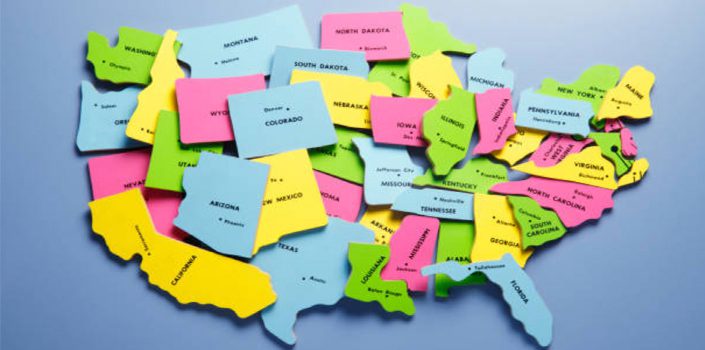
While federal regulatory activity is in flux, states are stepping up to fill the gaps—or in some cases, stepping back—with a patchwork of approaches that increase complexity for organizations operating across multiple jurisdictions.
Some states are expanding regulations, particularly in areas like greenhouse gas emissions and recycling. Massachusetts, for instance, issued new building energy reporting rules focused on GHG emissions, while New Jersey and California updated electronics recycling requirements. Other states are introducing programs on workplace safety or waste management that go beyond federal mandates.
At the same time, other states are actively deregulating. Missouri recently removed waste regulations that were stricter than federal standards, and Indiana is reviewing regulations to identify and potentially roll back those exceeding federal requirements. This split reflects different political priorities and economic considerations at the state level and makes it more important than ever to monitor state regulatory landscapes carefully.
For companies working across state lines, this volatility means compliance can no longer be a one-size-fits-all approach. Understanding where state rules diverge—and how those differences might affect your operations—is critical. Dakota’s platform offers tools to track federal and state regulations in one place, helping you identify applicable rules and adjust your programs accordingly.
What’s Next?
The regulatory landscape is far from settled. We expect to see continued congressional disapprovals and subsequent CFR text removals as those processes conclude. Agencies will likely maintain a pattern of issuing frequent minor regulatory updates or repeals—sometimes broken into multiple small actions rather than larger consolidated rules. Compliance date postponements and enforcement discretion are also expected to continue as agencies navigate shifting policies and resource constraints.
Meanwhile, states will remain a moving target, with some pushing new requirements, others pulling back, and many adjusting incrementally. Staying compliant in this environment requires proactive monitoring, timely insights, and tools that make tracking manageable across multiple jurisdictions.
How Dakota Can Help
At Dakota Software, we understand how overwhelming it can be to stay ahead of such a fluid regulatory environment. That’s why our regulatory team works daily to analyze new and proposed rules, track congressional disapprovals, and identify state-level changes so you don’t have to. Our proprietary tools combine these insights with compliance task management and inspection workflows to help your team act efficiently and confidently.
If you’re interested in learning more about how Dakota can support your regulatory compliance efforts, please reach out for a demo or a personalized consultation. We’re here to help you cut through the complexity and stay compliant—no matter how the landscape shifts.